
How Does a Graphite Crucible Improve High-Temperature Metal Processing?
Article Summary: Graphite crucibles are essential tools in modern metal melting and casting operations. Their superior thermal conductivity, high-temperature resistance, and chemical stability make them indispensable in industries such as metallurgy, jewelry, and laboratory applications. This article explains how graphite crucibles function, their key advantages, technical specifications, and how to choose the right type for specific applications. Practical insights are provided to help users avoid common issues such as cracking, contamination, and reduced lifespan.
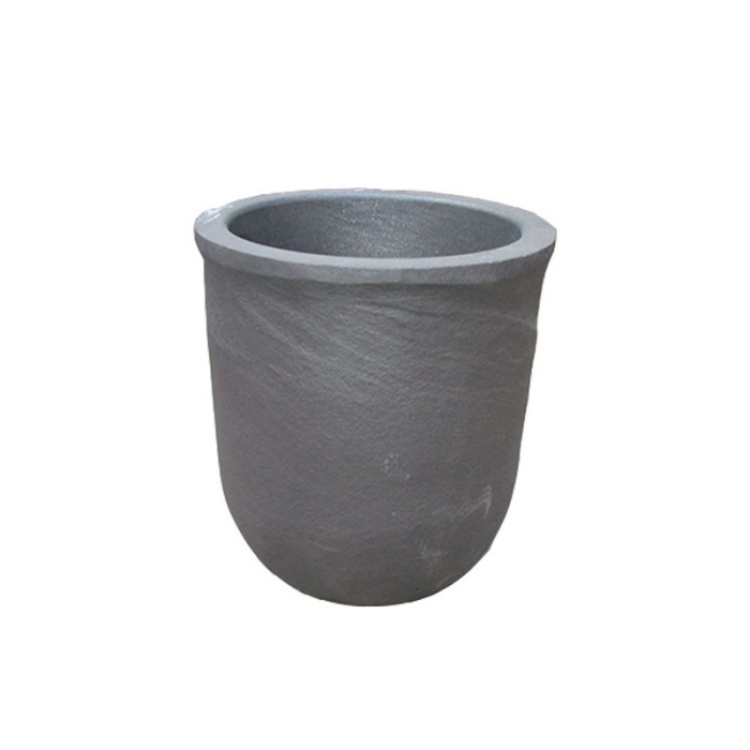
Table of Contents
- Introduction to Graphite Crucibles
- Working Principle of Graphite Crucibles
- Key Advantages in Industrial Applications
- Technical Parameters and Specifications
- How to Choose the Right Graphite Crucible
- Maintenance and Common Problems
- Typical Applications Across Industries
- Frequently Asked Questions
Introduction to Graphite Crucibles
Graphite crucibles are refractory containers designed to withstand extremely high temperatures while holding molten metals or other materials. They are widely used in processes such as metal melting, alloy production, and chemical analysis.
Manufactured using high-purity graphite combined with clay or other binding agents, these crucibles offer exceptional resistance to thermal shock and chemical corrosion. Companies such as Jiayin New Materials specialize in producing high-performance graphite crucibles tailored for industrial efficiency and durability.
Working Principle of Graphite Crucibles
The operational effectiveness of a graphite crucible lies in its unique material properties:
- Thermal Conductivity: Ensures rapid and uniform heat distribution
- Thermal Shock Resistance: Allows repeated heating and cooling cycles without cracking
- Chemical Stability: Prevents reactions with molten metals
When placed in a furnace, the crucible absorbs heat and transfers it evenly to the material inside. This uniform heating minimizes hotspots, reduces material waste, and improves overall process consistency.
Key Advantages in Industrial Applications
Graphite crucibles solve several common challenges faced by manufacturers:
- Reduced Contamination: High purity graphite minimizes impurities in molten metal
- Extended Service Life: Excellent resistance to oxidation and erosion
- Energy Efficiency: Faster heating reduces energy consumption
- High Temperature Capability: Operates effectively above 1500°C
These advantages directly address user pain points such as production inefficiency, high replacement costs, and inconsistent material quality.
Technical Parameters and Specifications
| Parameter | Description |
|---|---|
| Material Composition | High-purity graphite with clay or resin binder |
| Maximum Temperature | 1500°C – 1800°C |
| Thermal Conductivity | High |
| Density | 1.6 – 1.9 g/cm³ |
| Oxidation Resistance | Moderate to High (with protective coating) |
| Applications | Metal melting, casting, laboratory use |
How to Choose the Right Graphite Crucible
Selecting the correct crucible is critical for operational efficiency. Consider the following factors:
- Metal Type: Different metals require different crucible compositions
- Operating Temperature: Ensure the crucible can withstand peak temperatures
- Furnace Type: Electric, induction, or fuel-fired furnaces may require specific designs
- Capacity Requirements: Choose appropriate size to optimize batch processing
For example, non-ferrous metals like aluminum and copper benefit from crucibles with enhanced oxidation resistance, while precious metals require ultra-high purity materials.
Maintenance and Common Problems
Proper maintenance significantly extends the lifespan of graphite crucibles:
- Preheat gradually to avoid thermal shock
- Store in dry environments to prevent moisture absorption
- Use protective coatings to reduce oxidation
- Avoid mechanical impact during handling
Common Issues and Solutions:
- Cracking: Caused by rapid temperature changes → Use controlled heating
- Oxidation: Occurs at high temperatures → Apply anti-oxidation coating
- Contamination: Due to impurities → Use high-purity crucibles
Typical Applications Across Industries
Graphite crucibles are widely utilized across multiple sectors:
- Metallurgy: Melting and alloying of metals
- Jewelry Manufacturing: Precious metal casting
- Laboratories: Chemical analysis and testing
- Electronics: Semiconductor material processing
Their versatility makes them a critical component in both industrial-scale production and precision laboratory environments.
Frequently Asked Questions
Q1: How long does a graphite crucible last?
A: The lifespan depends on usage conditions, but with proper maintenance, it can last dozens of melting cycles.
Q2: Can graphite crucibles be used for all metals?
A: They are suitable for most non-ferrous and precious metals, but specific compositions may be required for certain alloys.
Q3: Why does my crucible crack during use?
A: Cracking is usually caused by thermal shock or improper handling. Gradual heating and careful storage can prevent this issue.
Conclusion
Graphite crucibles play a crucial role in ensuring efficient, high-quality metal processing. Their superior thermal properties, durability, and resistance to chemical reactions make them an optimal choice for demanding industrial applications. By understanding their working principles, selecting the appropriate specifications, and maintaining them properly, users can significantly improve production efficiency and reduce operational costs.
As a trusted supplier, Jiayin New Materials provides high-performance graphite crucibles designed to meet diverse industrial needs. For customized solutions and expert guidance, contact us today to enhance your production efficiency and reliability.
Send Inquiry




X
We use cookies to offer you a better browsing experience, analyze site traffic and personalize content. By using this site, you agree to our use of cookies.
Privacy Policy